HCyprus
About Cyprus

About Cyprus

Cyprus is the third-largest island in the Mediterranean, sitting at the crossroads of Europe, Asia, and Africa. Its long history, warm climate, and hospitable culture make it one of the most rewarding places to visit in the region.

Geography and climate

Geography and climate

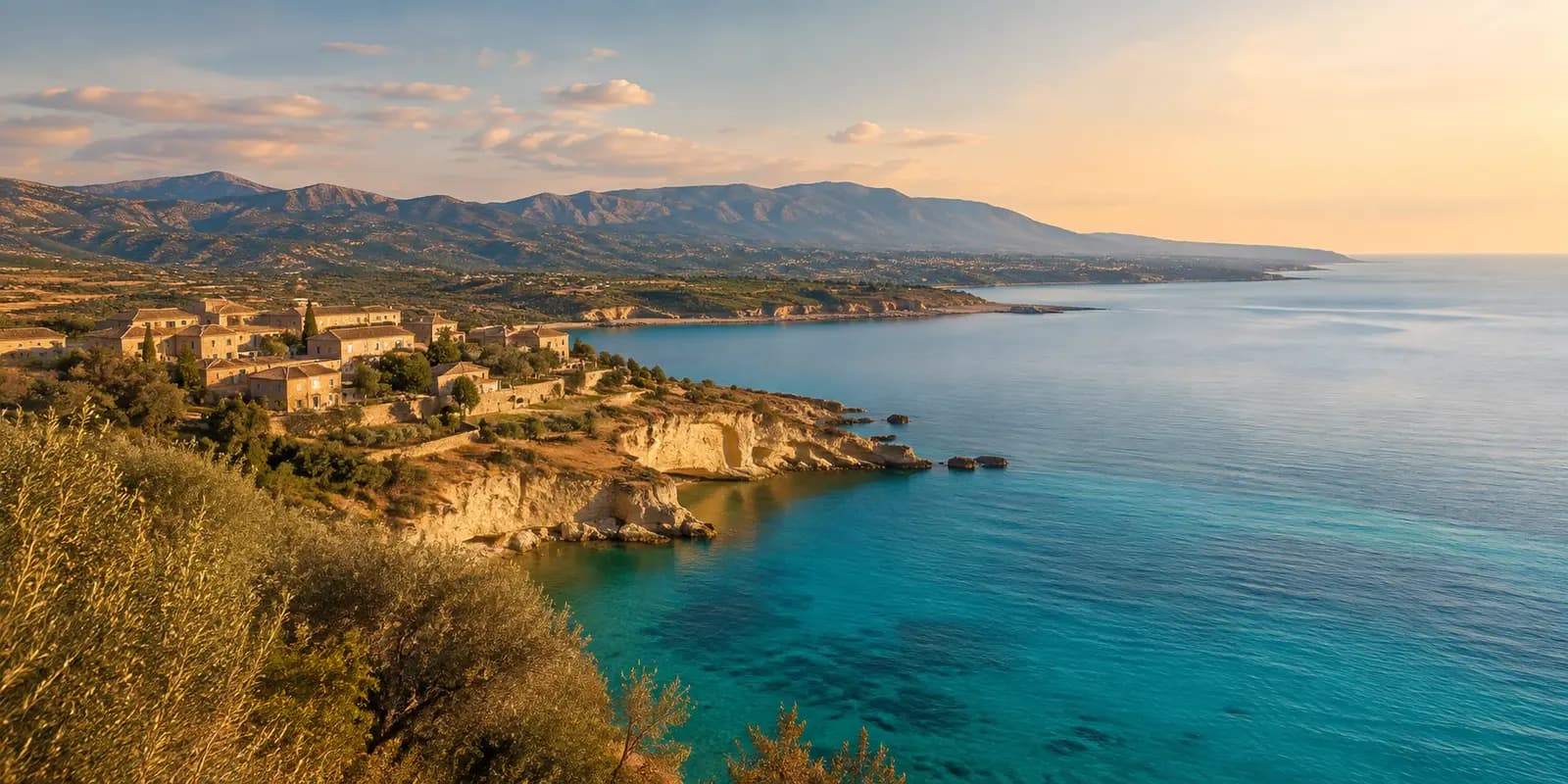
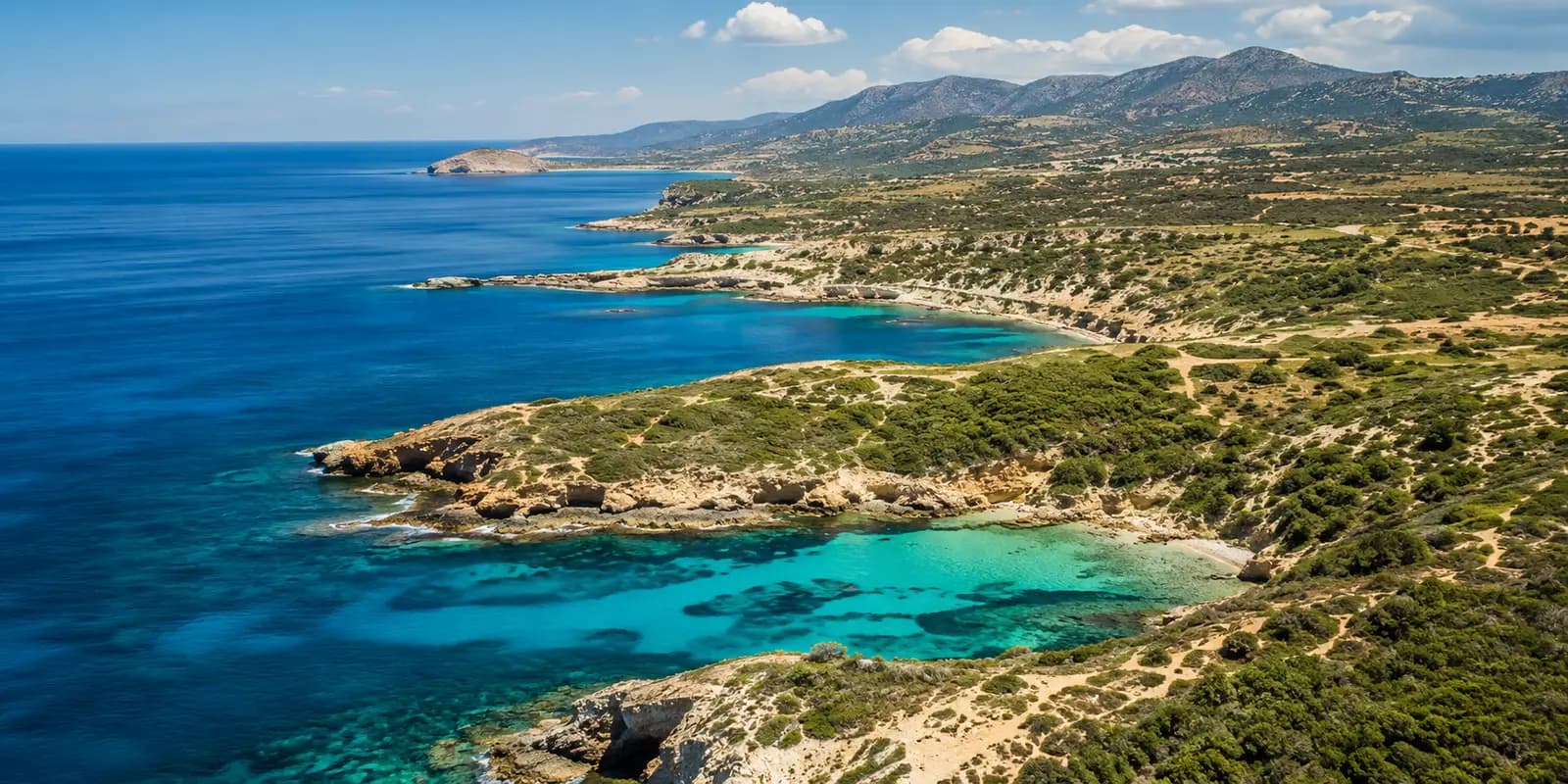
Cyprus enjoys a Mediterranean climate with over 300 days of sunshine a year, sandy beaches, and a mountainous interior crowned by the Troodos range. Its coastline stretches from the lively resorts of Ayia Napa and Protaras to the quieter shores of Paphos and the Akamas Peninsula.

History and culture

History and culture

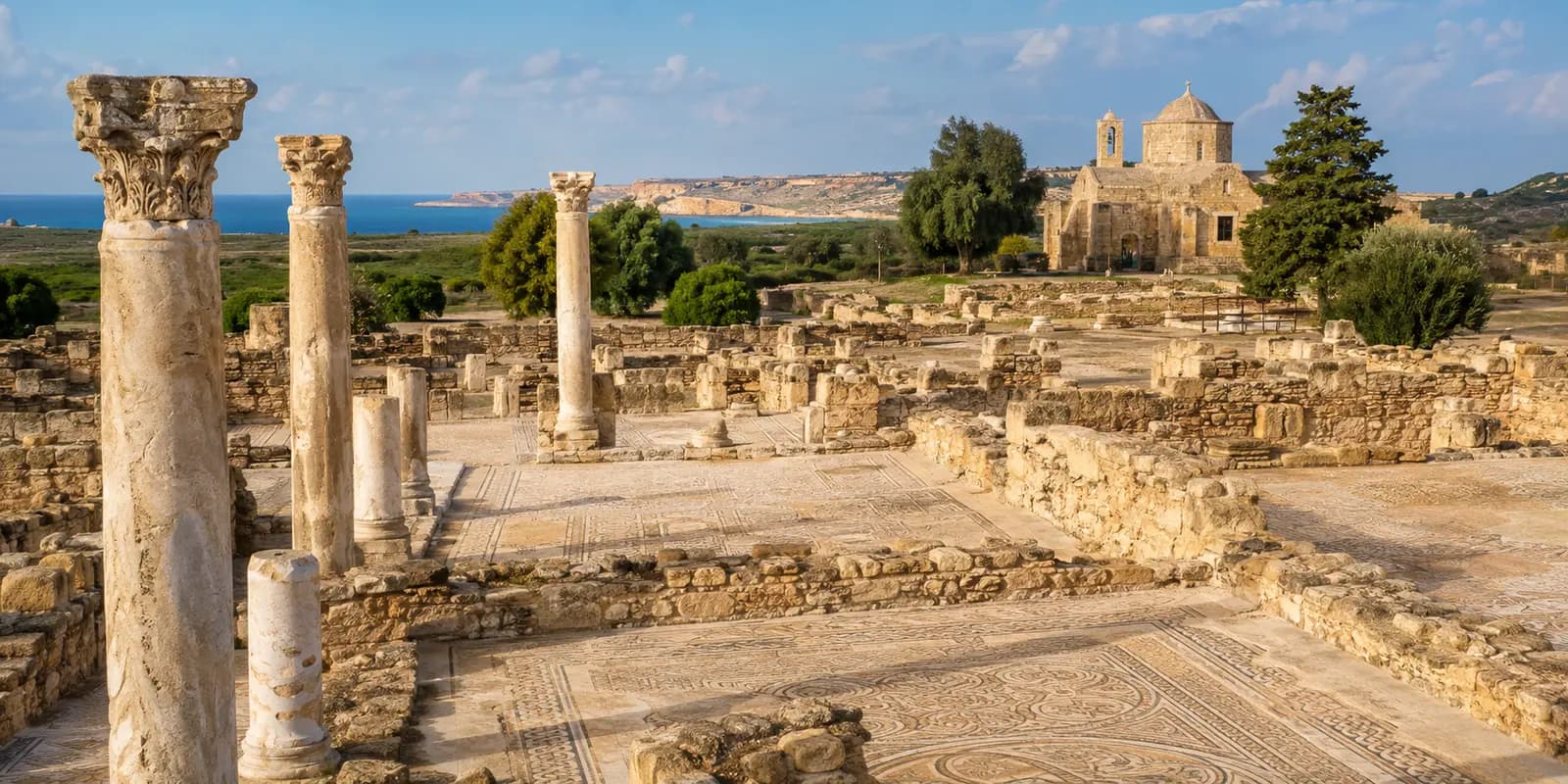
Few places pack as much history into so small an area — from Neolithic settlements and ancient city-kingdoms to Byzantine churches, Crusader castles, and Ottoman- and British-era landmarks. Cyprus has been an independent republic since 1960 and joined the European Union in 2004.

Food and hospitality

Food and hospitality

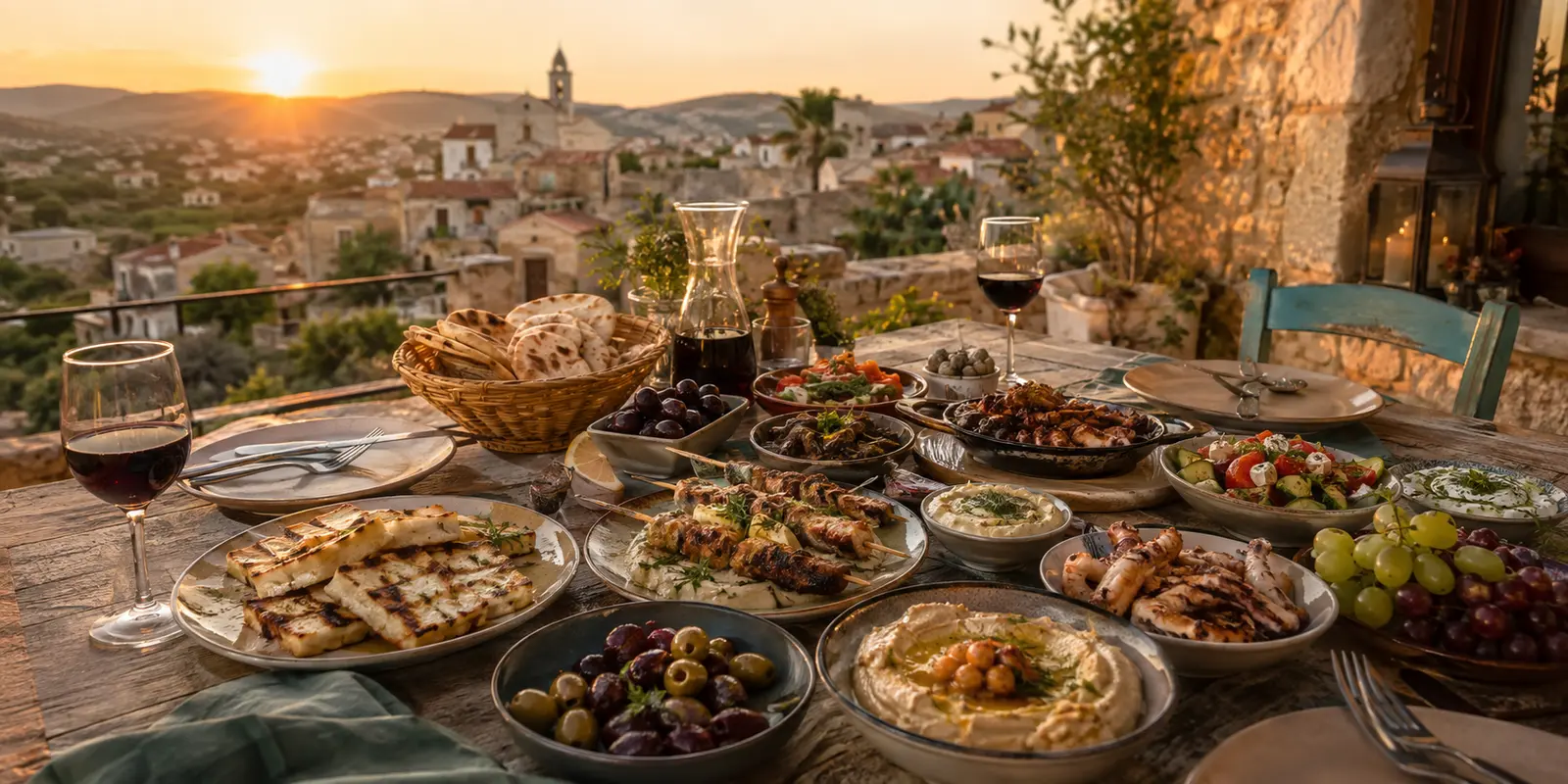
Cypriot cuisine blends Greek, Middle Eastern, and local island traditions — think grilled halloumi, meze spreads, and freshly caught seafood. Visitors consistently remark on how welcoming and generous the local hospitality feels.

Cities and regions

Cyprus is small enough to drive across in a couple of hours, yet every corner has its own character — from a divided capital and busy seaside cities to pine-covered mountains and stone villages where time moves slowly.

The capital

Nicosia

Set in the middle of the island, Nicosia (Lefkosia) is Cyprus's capital and its largest city. The old town sits inside 16th-century Venetian walls shaped like a star, with narrow lanes, craft workshops and cafés. Since 1974 the city has been divided, and you can walk across the checkpoint on Ledra Street into the northern part. Nicosia is also the centre of Armenian life on the island.

  • Venetian walls and the Famagusta Gate
  • Ledra Street and Laiki Geitonia
  • Cyprus Museum — the island's best archaeology collection
  • Armenian Church of Sourp Asdvadzadzin
Limassol

Marina and wine country

Limassol

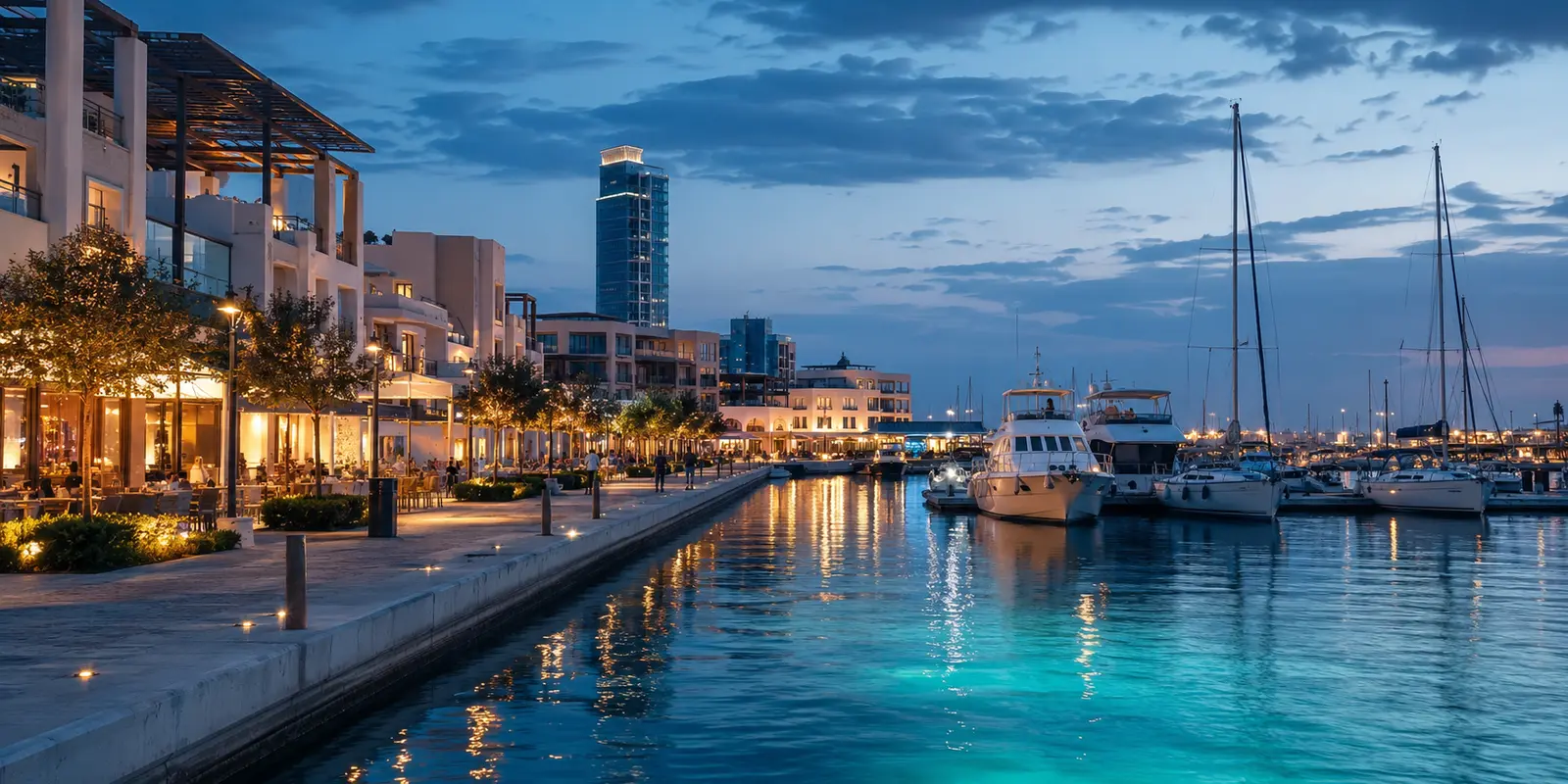
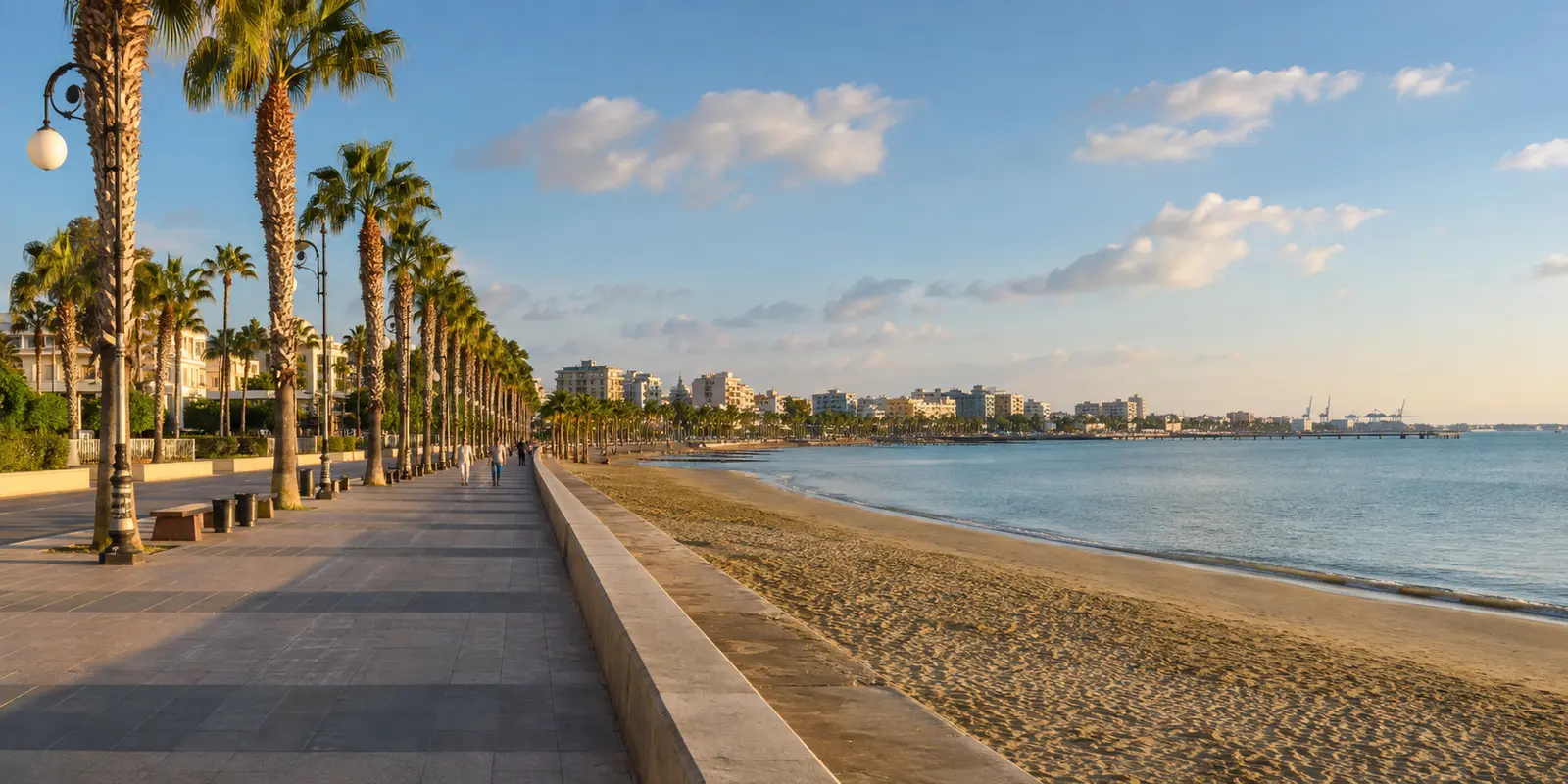
The second-largest city is the island's liveliest: a long seafront promenade, a modern marina and a compact old town around a medieval castle. The wine villages of the Troodos foothills are close by, and Limassol hosts a wine festival every autumn and a carnival in spring.

Don't miss

  • Limassol Castle and the old town
  • Molos seafront promenade and the marina
  • Ancient Kourion with its clifftop theatre
  • Kolossi Castle
Larnaca

Your arrival city

Larnaca

Most visitors land at Larnaca, and many stay: it is relaxed, walkable and right on the sea. The palm-lined Finikoudes promenade runs along a sandy town beach, and in winter flamingos gather on the nearby salt lake.

Don't miss

  • Church of Saint Lazarus (9th century)
  • Finikoudes promenade and Mackenzie Beach
  • Salt Lake and the Hala Sultan Tekke mosque
  • Zenobia wreck — one of the world's top dive sites
Paphos

Myth and mosaics

Paphos

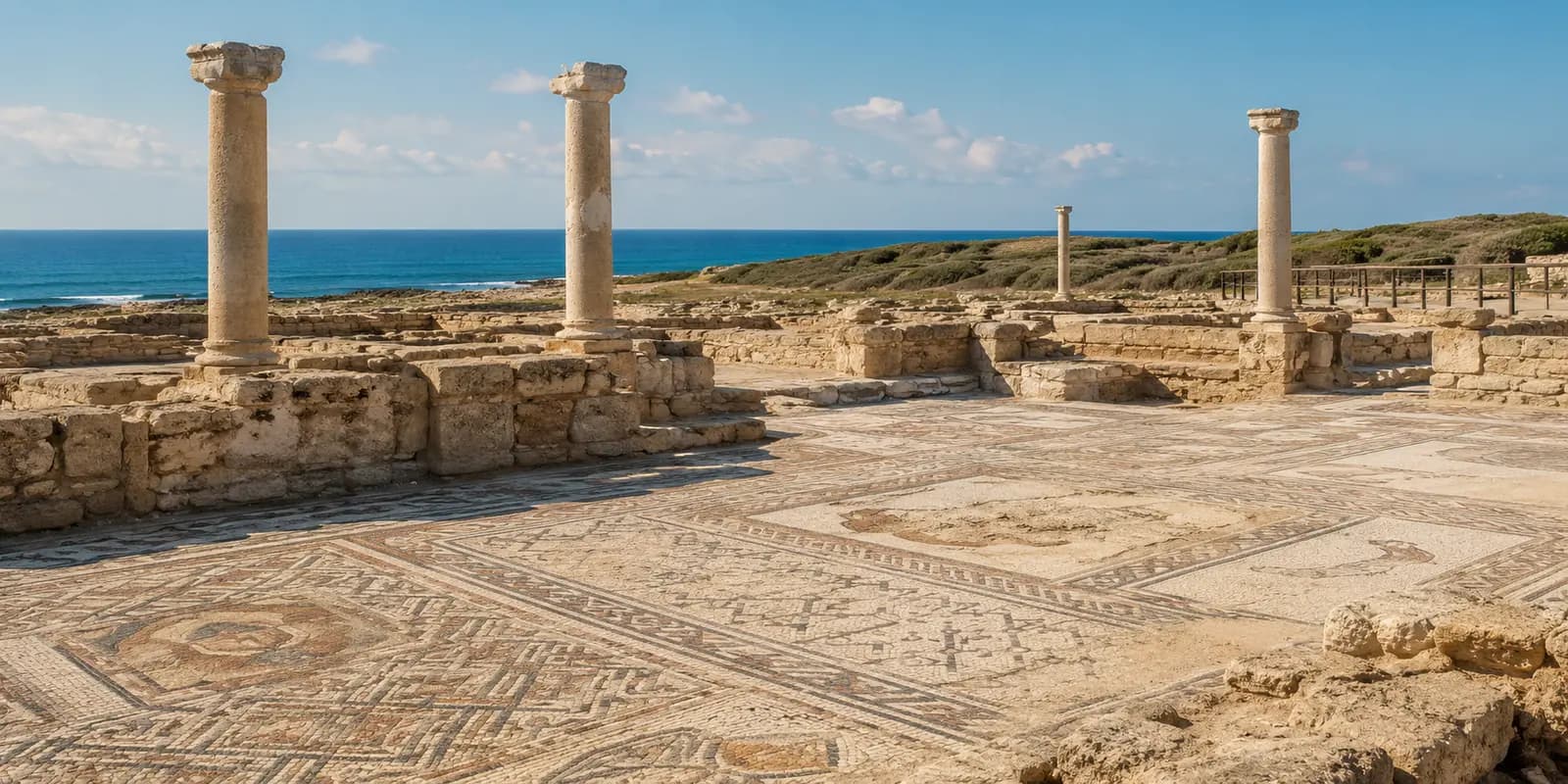
The whole of Kato Paphos is a UNESCO World Heritage Site, with Roman villas whose floor mosaics are among the finest in the Mediterranean. Just along the coast is Aphrodite's Rock, where legend says the goddess rose from the sea, and to the north lies the wild Akamas Peninsula.

Don't miss

  • Paphos Archaeological Park and its mosaics
  • Tombs of the Kings
  • Aphrodite's Rock (Petra tou Romiou)
  • Blue Lagoon and the Akamas Peninsula
Ayia Napa & Protaras

Beaches and turquoise water

Ayia Napa & Protaras

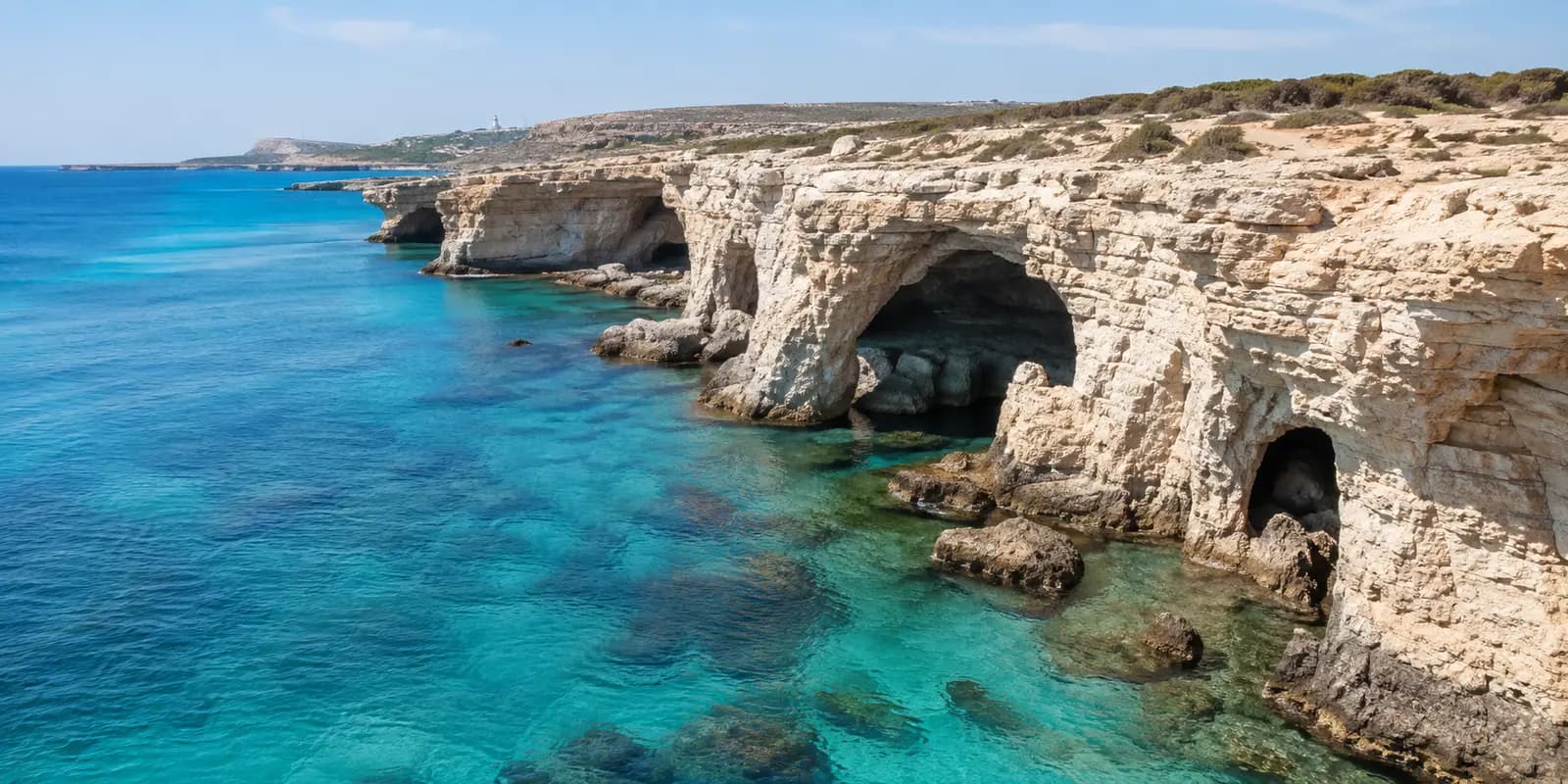
The south-east corner has the island's most famous beaches: fine white sand and clear, shallow water that suits families. Ayia Napa is known for its nightlife, while nearby Protaras is quieter. Between them is Cape Greco, with sea caves, cliffs and walking trails.

Don't miss

  • Nissi Beach and Fig Tree Bay
  • Cape Greco sea caves and natural bridge
  • Ayia Napa Venetian monastery
  • Boat trips along the coast
Troodos Mountains

Cool air and painted churches

Troodos Mountains

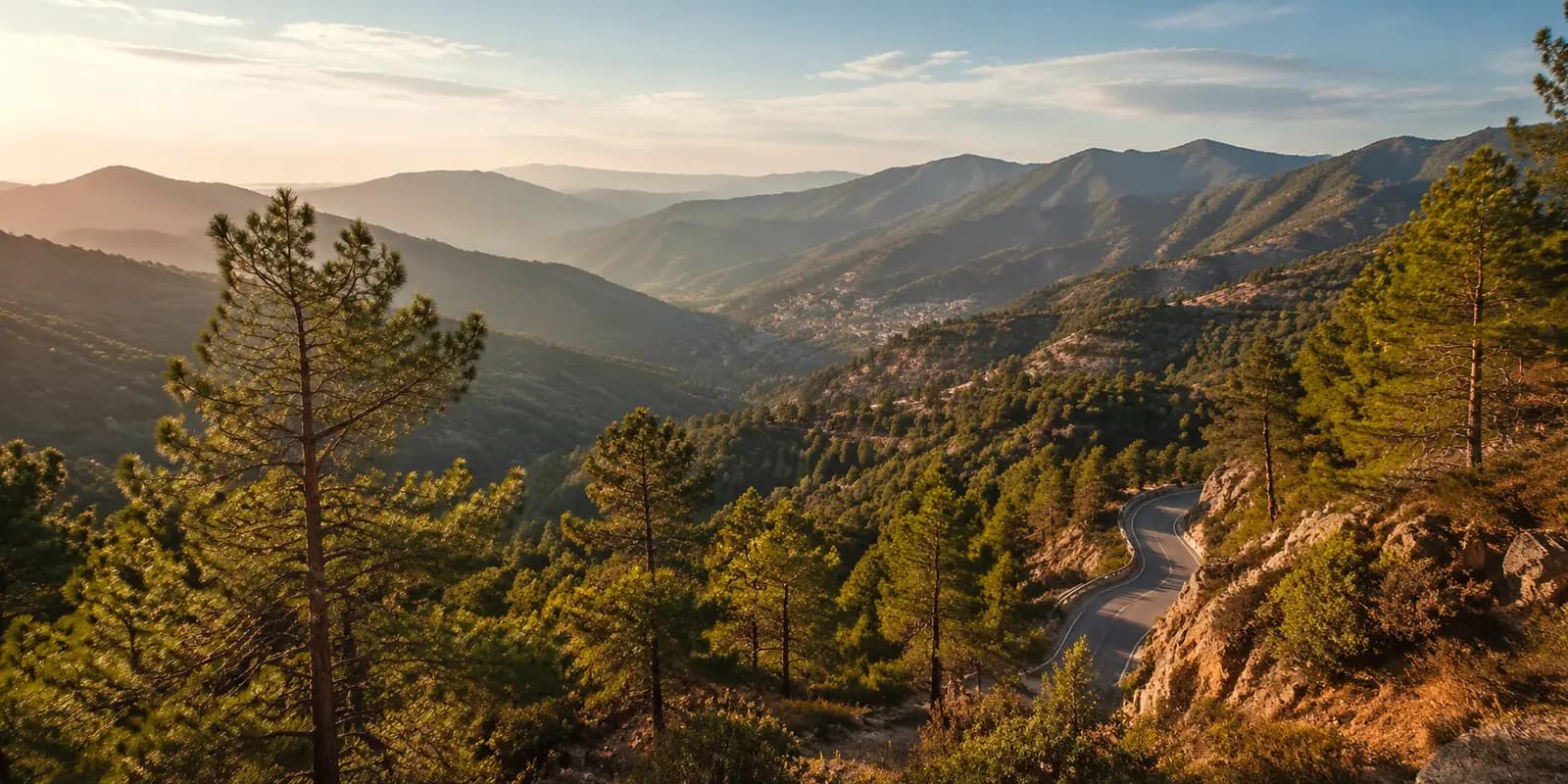
Inland the island climbs to Mount Olympus, 1,952 m high. In summer the pine forests are much cooler than the coast, and in winter there is often snow. Ten small Byzantine churches here, painted inside from floor to ceiling, are on UNESCO's World Heritage list.

Don't miss

  • Kykkos Monastery
  • UNESCO painted churches
  • Caledonia and Millomeris waterfalls
  • Hiking trails around Mount Olympus
Traditional villages

Stone houses and old crafts

Traditional villages

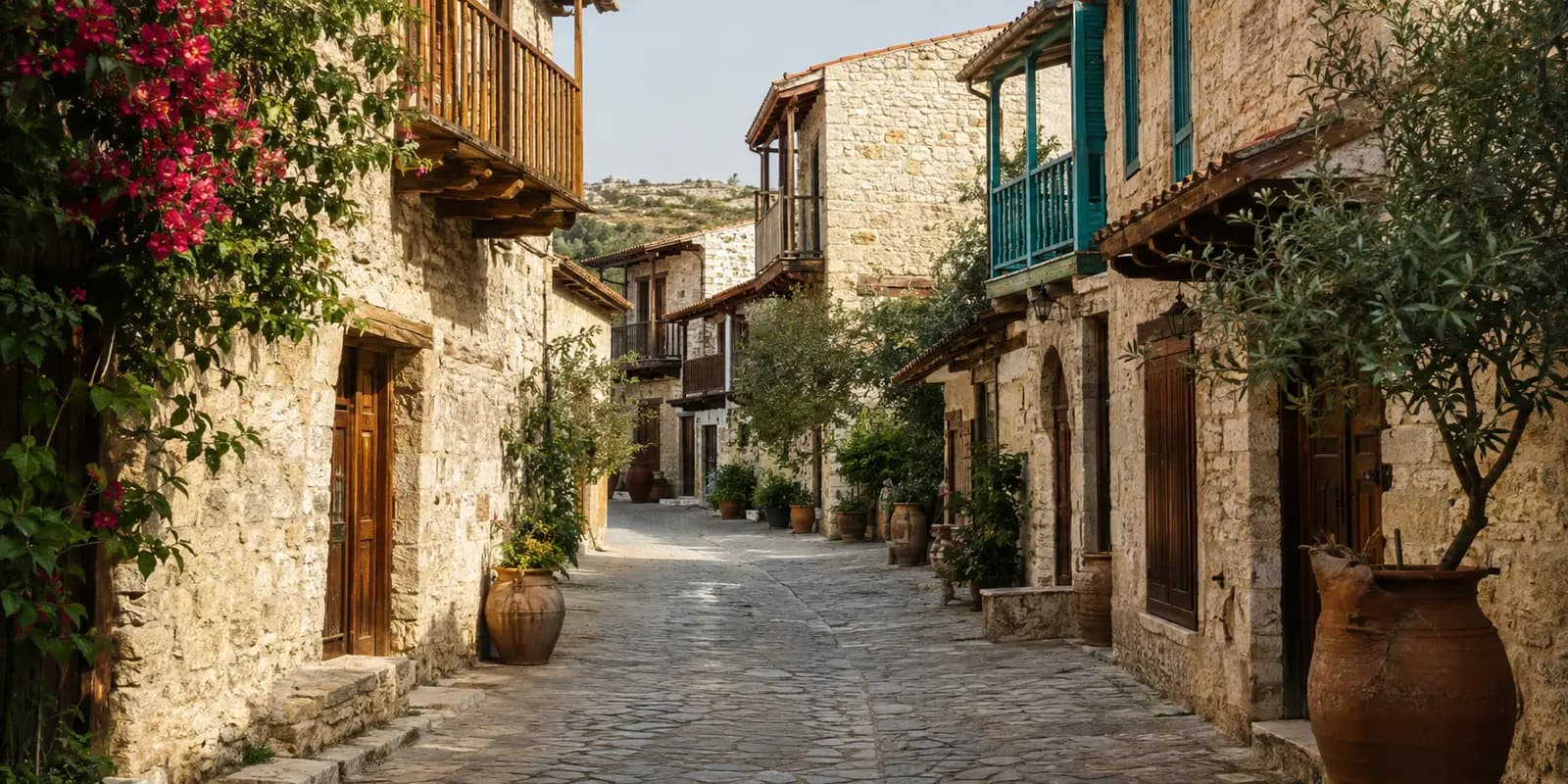
To see everyday Cypriot life, spend a day in the villages: cobbled lanes, vine-covered courtyards and family tavernas. Each has its own tradition, from lace-making in Lefkara to winemaking in Omodos.

Don't miss

  • Lefkara — lace and silverwork
  • Omodos — wine and the Holy Cross Monastery
  • Kakopetria — a riverside old quarter
  • Village tavernas serving full meze

Quick facts

Capital
Nicosia
Languages
Greek and Turkish; English is widely spoken
Currency
Euro (€)
Time zone
UTC+2, UTC+3 in summer
Airports
Larnaca (LCA) and Paphos (PFO)
Driving
On the left, as in the UK
Power sockets
UK type G, 230 V
Swimming season
May to November
Best time to visit
April–June and September–October

More of Cyprus